5 min read
"Independent Development Diary 16: Most Programmers Have No Life, So They Don't Have Good Product Ideas"

Most programmers have no life, so they can't come up with good products?
Recently, I came across a popular discussion online: "Most programmers have no life, so they won't have good product ideas." In the past, I would have wanted to join the discussion, whether in agreement or in rebuttal. But now, it seems that this conclusion is drawn from a dichotomy, provoking a crowd to take sides and label each other, creating conflict on both sides to gain traffic for their own purposes (Honestly, have you been clickbaited?).
A typical example is the recent controversy surrounding a person named Huzi. To be honest, I didn't know who he was until he started trending. He cleverly used the opposition between Apple and Android to generate public opinion and hype. I should be one of the earliest users of Android; the first phone released by Google was probably the G1. Back then, phones still had keyboards, and I think the Android version was around 1.5.
After switching to an Apple phone, I never changed to another brand, for two reasons: one is that Android had too much playability; I was very keen on flashing ROMs at that time, spending a lot of time on it. The other reason is that Mac and Android lack many conveniences, although I was still writing Android applications back then, and I spent about half of my career writing Android code. However, I don't understand why using Apple is associated with being high-end; many people tend to fantasize about things they don't have, and once they have them, the allure fades.
It's like unmarried people think marriage and family are great, while married people think marriage is a mistake. Of course, not everyone thinks this way, but at least a portion of the population does. So the question is, what counts as life? What counts as a good product? These labels are inherently human-defined.
Our definitions of life vary from person to person. Some people think traveling and socializing count as life, which corresponds to the so-called E types in MBTI. Others believe that playing games, watching their favorite shows, and writing code are also part of life. The notion of "having no life" is merely a label assigned by some people to another group; guess who initiated this discussion? A designer.
Similarly, good products also encompass multiple definitions. Some people think that "making money" defines a good product, while others believe that "addressing real pain points" is what makes a product good. With different standards, the judgments naturally differ.
For example, my last article almost reached 13,000 views, while another article I wrote with practical content barely got 100 views. According to the "traffic definition," the casual piece is a "good product." But according to the "professionalism definition," the practical article is what holds "value." Therefore, these are all subjective and lack absolute definitions.
What truly matters is how you define it for yourself.
Transit Services
Back to serious matters, in my previous article, I merely mentioned switching from Claude Code to Codex, and I received all sorts of comments. While I respect subjectivity, I still block comments that annoy me.
Someone also mentioned transit services, and I want to briefly discuss an interesting phenomenon I've recently discovered. One type is the current paid transit service providers, who apply for a bunch of Claude Code and ChatGPT accounts, then place them in a pool and provide access to users either through shared or dedicated means. The benefit is that it allows users in China to enjoy the service, but the downside is obvious: it's unstable, making it hard for high-frequency users to maintain stability.
Additionally, you should have seen some free Claude Code services. Initially, I couldn't understand why they would offer free services. Later, I learned that much of the coding training data is currently monopolized by big companies, mainly Qwen and ByteDance in China. Some independent vendors, like Kimi, provide this free service, collecting data through a transit layer to train their models (so try not to input sensitive information like API keys).
Generally, it's best to use official services when available, like the current shared accounts for Codex and ChatGPT, but the quotas are not shared. In simple terms, if you hit the limit on Codex, you can still use ChatGPT without it being affected. However, Claude is different; they share quotas, so if your Claude Code is limited, you can't use Claude either.
AI Dynamics
Recently, a hot topic is Wan 2.2 Animate; you can check out the video below, but I haven't tried it myself, so I'm not sure about its application scenarios.
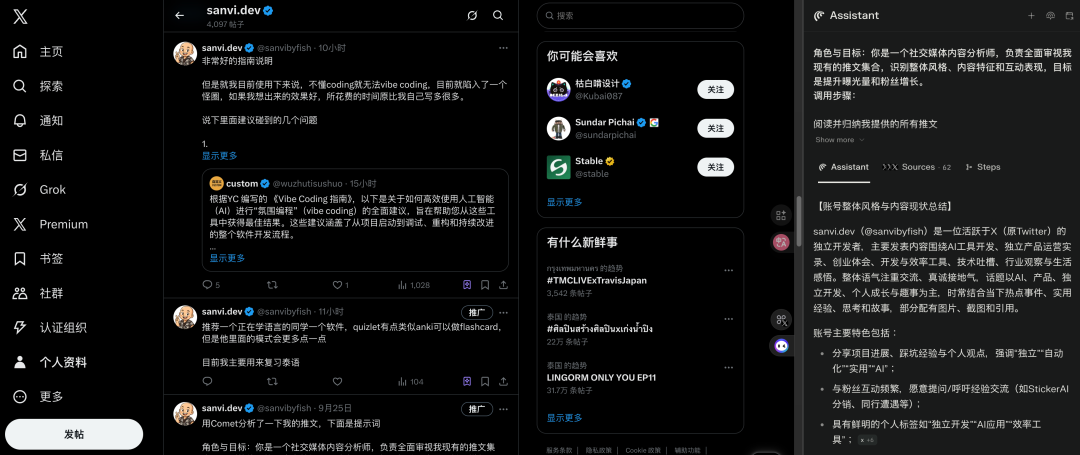
Another one is the Comet browser released by Perplexity, which is essentially a deeply customized browser. It can help automate some functions through chat, like analyzing my tweets, automatically manipulating the DOM to collect and analyze data.
Another tool is Chrome DevTools (MCP), which can wake up a Chrome browser using AI and automatically perform some operations.
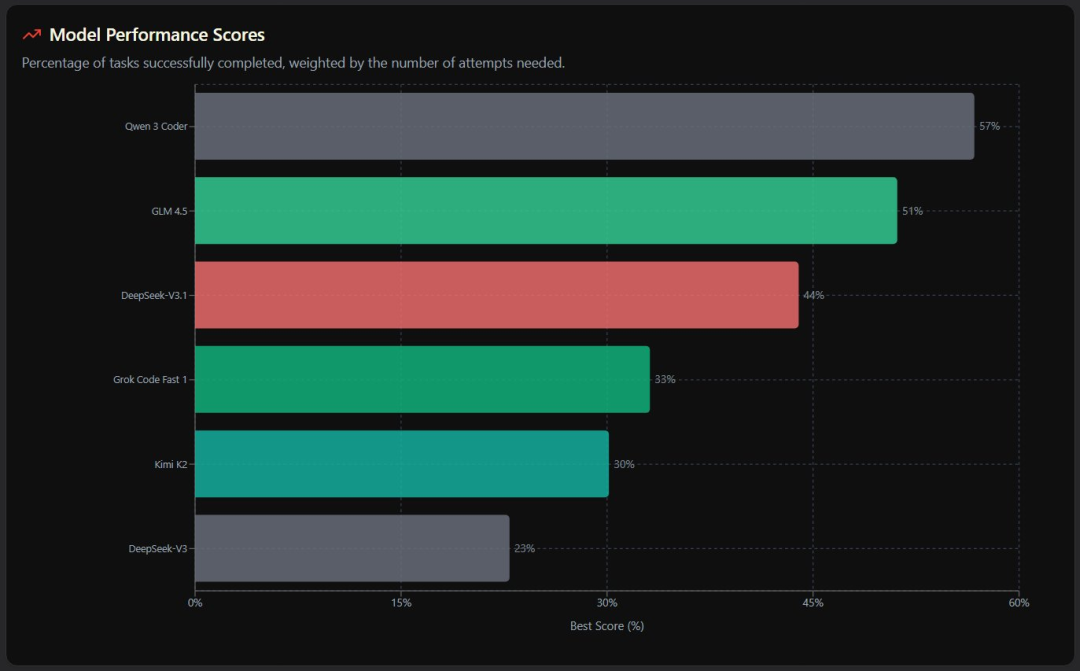
Of course, there are also Qwen-Coder 3 and GLM 4.5, which are currently very strong. I've seen some people using them to replace GPT and Claude as large models for coding, but the bloggers I follow who are iterating on projects haven't heavily promoted them; it's mostly KOLs discussing them, so I'm not very interested in trying them out.
StickerAI
This week, someone reached out to me, saying they work in private domains and hope to share profits, so I connected with Affonso. Friends interested can DM me for the link.
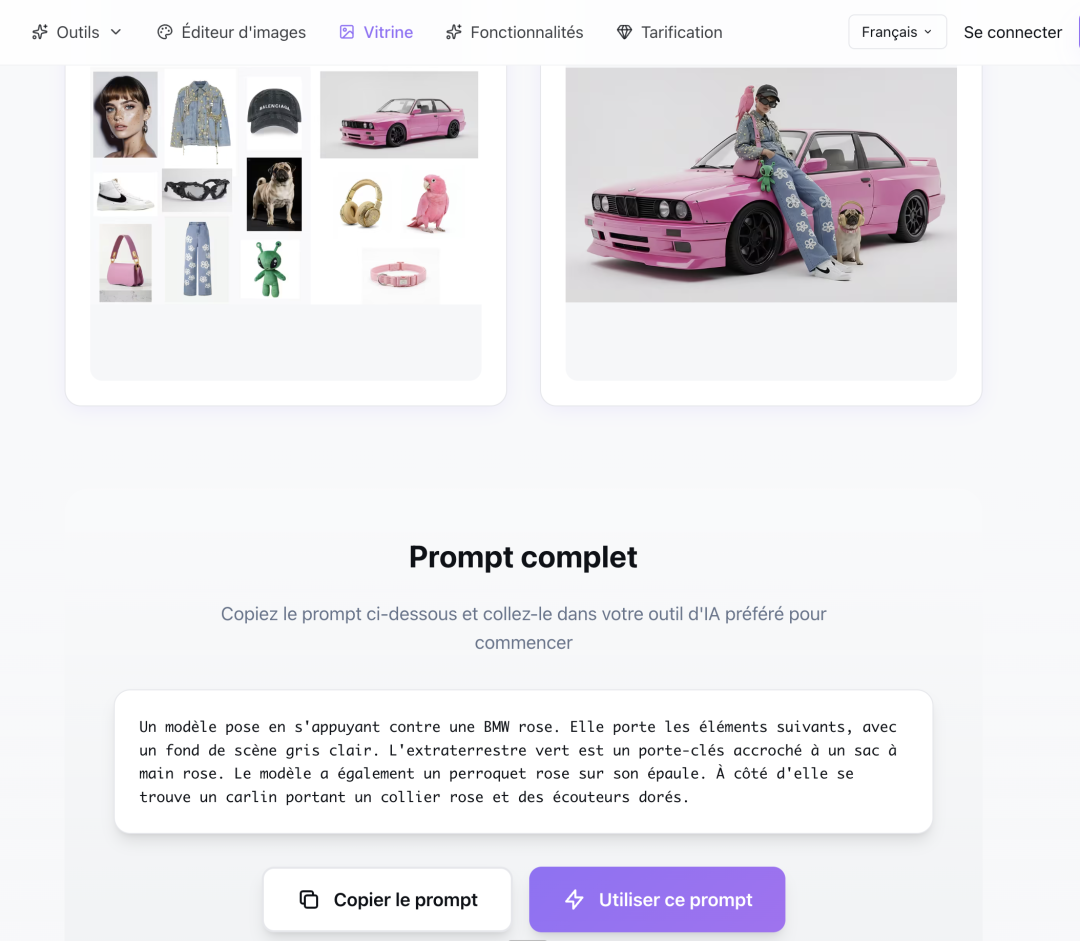
CreateIO
Last week, after creating the SEO page, I expanded it to more languages, and it is now live in Indonesian, Japanese, Korean, Thai, Arabic, French, German, Portuguese, Spanish, and more.
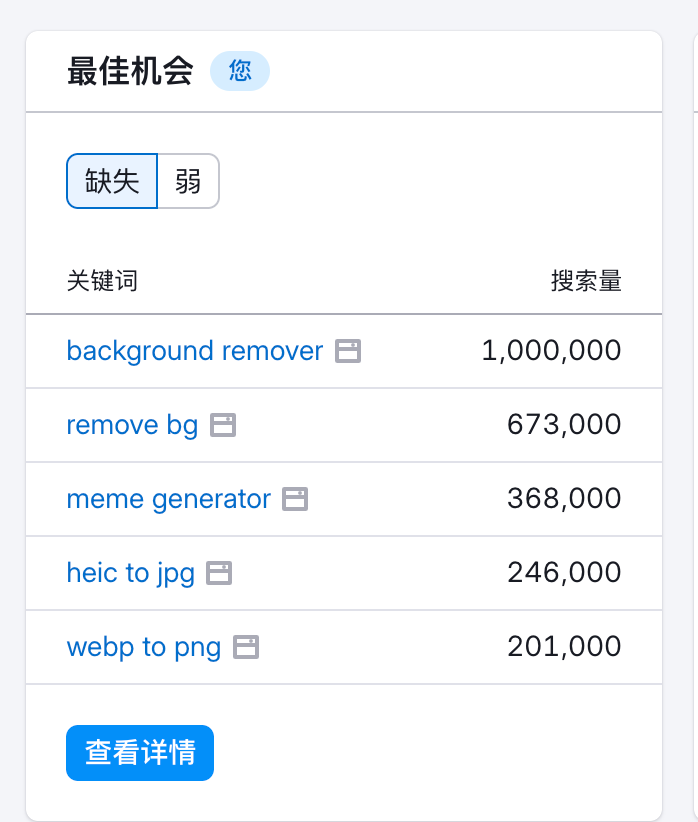
Then I compared the SEM data with benchmark sites and found that the search volume for background removers is surprisingly high, which explains why so many people want to create this. I decided to investigate further and created a frontend background removal page. Of course, the effect is definitely not as good as the backend, but it doesn't require additional expenses, which is sufficient for our traffic-attracting site.
Currently, simple images yield much better results.
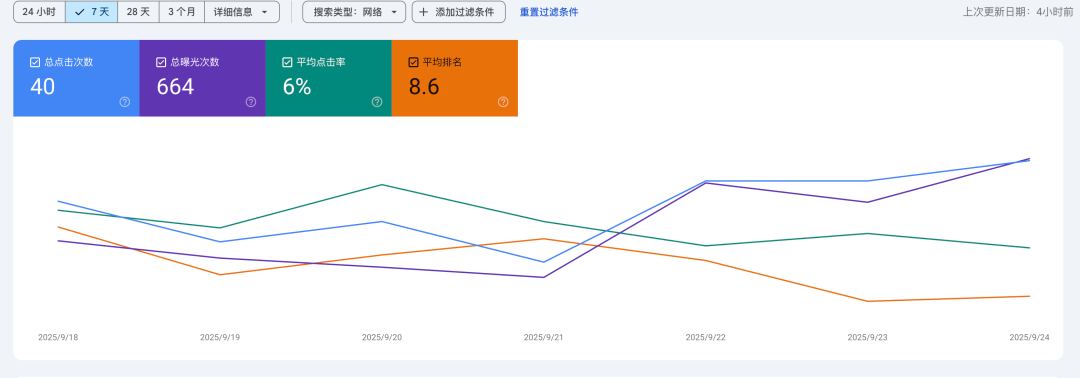
The SEO data isn't great yet, but getting over 100 exposures daily is a significant improvement; previously, the site barely got a few exposures each day. Therefore, optimizing SEO is still very important. Recently, I also came across a dubious SEO method that I plan to try out to see its effectiveness. I also discovered a crawler setting that was incorrectly configured, preventing AI from scraping data, so I fixed that. I'll check the results next week.
Others
I previously thought that with AI, development efficiency would improve, allowing me to handle several tasks simultaneously, but I ended up doing poorly on all of them, spending most of my time cleaning up the code written by AI. About 80% of my time was wasted on development, so I've now set a rule for myself to focus on only one task at a time. This week, I spent most of my time dealing with miscellaneous matters, such as visa applications and language review. Let's chat again next week.